For hotel operators in Queens, providing a seamless, luxury experience is the goal—but that experience relies entirely on the safety and reliability of the building’s hidden infrastructure. As hotels in the borough navigate the complexities of aging plumbing systems and high guest turnover, Point of Use (POU) testing has emerged as the gold standard for verifying water safety.
By focusing on the locations where water is delivered to the guest—specifically bathrooms and pool areas—hotel managers can transition from generic maintenance to a precise, data-driven Water Management Program (WMP).
Why Focus on Point of Use?
Standard water testing often measures the water quality at the boiler or the municipal main. While this is important, it tells you very little about the quality of the water after it has traveled through hundreds of feet of piping, through mixing valves, and finally into a guest’s shower.
POU testing bridges this gap by sampling water at the “distal” end—the final outlet. This is the only way to know exactly what the guest is being exposed to, making it the most effective way to identify localized risks like stagnation or temperature drops.
1. Guest Bathrooms: The Primary Aerosol Zone
Guest room showers are the most common points of aerosolization in any hotel. Because Legionella is a respiratory risk rather than a gastrointestinal one, the showerhead is the primary site of concern.
Implementing POU Testing in Bathrooms:
- The “First-Draw” Sample: To get an accurate reading of the water sitting in the branch lines, testing should be conducted using “first-draw” samples (the water that comes out immediately when the tap is turned on). This captures the stagnant water that has been sitting in the pipes since the last guest checked out.
- Temperature Logging: Every sample must be paired with a temperature reading. If the shower water consistently tests in the 77°F–113°F range, it is a clear indicator that the building’s hot water circulation is failing to reach that wing of the hotel.
- Targeting Vacant Blocks: In hotels with fluctuating occupancy, prioritize testing in “out-of-order” or long-vacant room blocks. These are the locations most likely to have degraded disinfectant residuals and localized bacterial growth.
2. Pool and Spa Areas: The High-Nutrient Environment
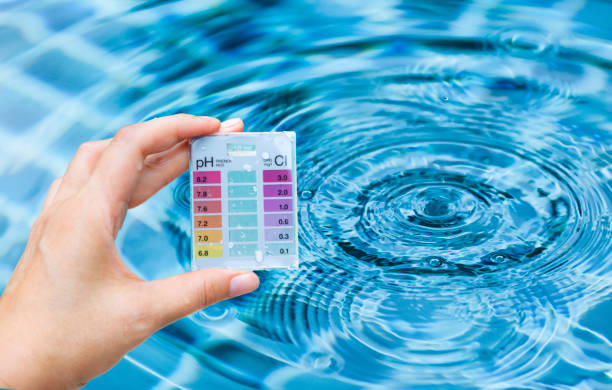
Pools, hot tubs, and communal locker room showers in Queens hotels are high-risk areas because they are used by many different people, each introducing organic matter (skin cells, oils, soaps) into the water. This organic load creates a “nutrient soup” that can rapidly consume chlorine or bromine disinfectants.
Managing Pool and Spa Risk:
- Beyond the Main Pool: Don’t just test the pool water. Test the showerheads in the locker rooms. These showers are often overlooked, yet they are high-traffic areas that can harbor Legionella if the pipes leading to them are not properly flushed or descaled.
- Checking the Jets: Hot tub jets are notorious for biofilm accumulation. POU testing at the jets is essential to ensure that the internal recirculation system is not bypassing the filtration and disinfection units.
- Routine Descaling: Because scale and biofilm are the primary hideouts for Legionella, a Point of Use maintenance program should include physical descaling of every showerhead and jet in the pool area at least quarterly.
The Strategic Advantage of POU Data
Implementing POU testing provides hotel managers with a “roadmap” for maintenance. If you know exactly which floor or which wing is struggling, you avoid expensive, building-wide shutdowns.
- Targeted Remediation: If a POU test comes back positive, you can perform a targeted flush or thermal disinfection on that specific riser rather than treating the entire hotel.
- Compliance and Documentation: For Queens hotels subject to local health regulations, maintaining a documented log of POU sampling is the best evidence of due diligence. It proves to regulators that you aren’t just “hoping” for safety—you are actively monitoring it.
- Guest Confidence: When staff are trained on why Legionella is a concern and how POU testing works, they are better equipped to answer guest questions and maintain the facility to a higher standard.
Best Practices for Queens Facility Teams
If your hotel is ready to implement a POU testing strategy, follow these professional guidelines:
- Work with Certified Experts: Legionella water testing requires precision. Improper collection can lead to false results. Engage with environmental health professionals who understand urban plumbing and can help design a representative sampling plan.
- Document Everything: Create a comprehensive log that includes the date, time, location of the sample, temperature at the time of draw, and the test result.
- Integrate Maintenance: Testing is only useful if it leads to action. Connect your testing schedule to your housekeeping and engineering schedules. If a test shows a problem in room 402, ensure that cleaning and maintenance staff are alerted immediately.
Is your facility team prepared to manage water safety at the guest level? If you need a professional to audit your hotel’s high-risk areas, contact our team to discuss a testing strategy tailored to your property.