Legionella Testing Process: What Happens During Water Sampling?
Water systems are an essential part of every building, but they can sometimes create conditions where harmful bacteria such as Legionella may develop. Regular monitoring and testing help identify potential issues before they become larger concerns, especially in buildings with complex plumbing systems.
Many property owners and facility managers understand the importance of Legionella testing but are less familiar with what actually happens during the process. What does water sampling involve? Where are samples collected? How are results analyzed?
This guide explains the Legionella testing process, including what happens during water sampling and why each step matters.
What Is Legionella Water Testing?
Legionella water testing is the process of collecting water samples from a building’s water system and analyzing them in a laboratory to check for the presence of Legionella bacteria.
The purpose of testing is to understand whether bacteria are present and whether further action may be needed to improve water safety.
Legionella testing is often used as part of a wider water management approach that includes monitoring, maintenance, and risk control.
To understand more about the bacteria being tested, you can read Legionella explained.
Why Is Water Sampling Important?
Legionella bacteria are naturally found in many water environments. The risk increases when they multiply inside man-made water systems, especially where conditions allow growth.
Sampling provides valuable information about the condition of a water system. It can help identify:
- Whether Legionella is present
- Possible areas of concern
- Changes in water quality over time
- Whether control measures are working
Testing is not only about finding bacteria; it helps building managers make informed decisions about maintaining safer water systems.
Step 1: Reviewing the Water System Before Sampling
Before collecting samples, professionals usually review the building and its water system. This helps determine where testing should take place.
The assessment may include:
- Building type and usage
- Plumbing layout
- Water storage areas
- Previous testing history
- Maintenance records
- Potential risk areas
A large commercial building, hotel, or healthcare facility may require a different sampling approach compared with a smaller property.
Understanding where Legionella can develop helps identify locations that may require closer attention.
Step 2: Selecting Sampling Locations
Choosing the right sampling points is one of the most important parts of the testing process.
Samples may be collected from areas such as:
- Shower outlets
- Taps
- Hot water systems
- Cold water outlets
- Storage tanks
- Other parts of the plumbing network
Professionals select locations based on the design and risk factors of the water system.
Sampling random areas may not provide an accurate picture, so testing locations are usually chosen carefully.
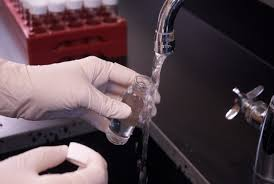
Step 3: Collecting Water Samples
During sampling, trained professionals collect water in sterile containers designed for laboratory testing.
The process typically involves:
- Identifying the correct sampling point
- Collecting water carefully to avoid contamination
- Recording sample details
- Labeling samples for laboratory analysis
Information recorded may include:
- Location of sample
- Date and time collected
- Water temperature
- Building details
Proper collection methods are important because inaccurate sampling can affect test results.
Step 4: Transporting Samples to the Laboratory
After collection, samples are transported to an approved laboratory for analysis.
The laboratory follows specific procedures to examine the water sample and determine whether Legionella bacteria are present.
Testing methods may identify:
- Presence or absence of Legionella
- Levels of bacterial concentration
- Changes compared with previous results
The time required for results can vary depending on the testing method and laboratory process.
Step 5: Laboratory Analysis
In the laboratory, specialists examine the sample under controlled conditions.
The analysis helps determine:
- Whether Legionella bacteria are detected
- The amount of bacteria present
- Whether additional investigation may be required
Results are usually reviewed alongside information about the building’s water system.
A positive result does not automatically mean a building is unsafe, but it may indicate that improvements are needed.
Step 6: Reviewing Test Results
Once results are available, they should be interpreted in the context of the entire water system.
A professional review may consider:
- The level of Legionella detected
- The type of building
- The people using the facility
- Existing control measures
The response may range from continued monitoring to additional corrective actions.
What Happens If Legionella Is Found?
If Legionella is detected, the next steps depend on the situation.
Possible actions may include:
- Reviewing water management procedures
- Improving system maintenance
- Cleaning affected areas
- Adjusting temperature controls
- Increasing monitoring frequency
The goal is to reduce conditions that allow bacteria to grow and maintain safer water systems.
How Does Testing Fit Into a Water Safety Plan?
Legionella testing is only one part of effective water management. A complete approach combines testing with regular inspections and maintenance.
A strong building water safety plan may include:
- Risk assessments
- Water temperature monitoring
- Equipment maintenance
- Record keeping
- Regular system reviews
This proactive approach helps identify problems early and supports long-term control.
How Often Should Water Systems Be Tested?
The frequency of Legionella testing depends on the building’s risk level.
Factors that influence testing schedules include:
- Building size
- Plumbing complexity
- Occupant vulnerability
- Previous test results
- Changes to the water system
High-risk environments may require more frequent monitoring, while lower-risk buildings may follow a different schedule.
Common Water Sampling Mistakes
Accurate testing depends on correct sampling procedures. Some common mistakes include:
Testing Only Easy-to-Reach Locations
A single sample may not represent the entire water system. Higher-risk areas may require targeted sampling.
Ignoring System Changes
Renovations, plumbing repairs, or periods of low usage can change water conditions.
Relying Only on Testing
Testing is valuable, but it should work alongside proper maintenance and water management.
Legionella Testing in Large Urban Buildings
Modern cities often depend on complex plumbing systems that serve many people. Large buildings can contain extensive networks where water movement, temperature control, and maintenance become more challenging.
Factors such as aging infrastructure and changing building usage can influence water safety.
You can learn more about these challenges through cities and urban plumbing.
Choosing a Professional Legionella Testing Service
Professional testing provides a structured approach to sampling, analysis, and interpretation.
A reliable provider can help with:
- Planning sampling locations
- Collecting samples correctly
- Understanding laboratory results
- Recommending next steps
If you need additional information or support, you can explore resources or use the contact page.
Final Thoughts
The Legionella testing process involves much more than simply collecting a water sample. Proper testing requires careful planning, accurate sampling, laboratory analysis, and professional interpretation.
Water sampling helps building owners and managers understand the condition of their systems and take action when needed. Combined with regular maintenance and a strong water safety approach, Legionella testing plays an important role in protecting people and maintaining safer buildings.
For more information, visit the available resources in the FAQ section.