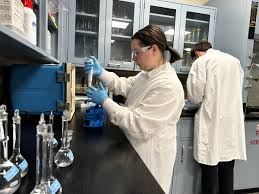
Water is something we use every day without much thought. We drink it, bathe in it, cook with it, and rely on it for countless activities. However, water systems can sometimes become a place where harmful bacteria develop, especially when conditions allow bacteria such as Legionella to grow. This is why Legionella water testing plays an important role in protecting public health, maintaining safe buildings, and preventing potential outbreaks.
Legionella bacteria are naturally found in small amounts in many water environments, but problems occur when they multiply inside building water systems. When contaminated water creates tiny droplets or mist, people can inhale the bacteria, which may lead to serious respiratory illnesses. Regular testing helps identify risks early and supports better water management practices.
Understanding how Legionella testing works and why it matters is essential for property owners, facility managers, businesses, and anyone responsible for maintaining safe water systems.
What Is Legionella Water Testing?
Legionella water testing is the process of collecting water samples from a building’s water system and analyzing them to determine whether Legionella bacteria are present. The testing process helps identify contamination levels and provides important information about whether additional control measures are needed.
Professional testing usually involves collecting samples from areas where Legionella is more likely to develop, such as:
- Hot and cold water systems
- Storage tanks
- Cooling systems
- Showers and faucets
- Decorative water features
- Large commercial plumbing networks
The goal is not only to find Legionella but also to understand the conditions that allow it to grow. Factors such as water temperature, stagnation, poor maintenance, and biofilm buildup can increase the likelihood of bacterial growth.
For a deeper understanding of the bacteria itself, you can read more about Legionella explained.
Why Does Legionella Grow in Water Systems?
Legionella bacteria thrive in specific environments where water conditions support their growth. While they can exist naturally in rivers and lakes, they become a greater concern when they enter man-made water systems.
Common conditions that encourage Legionella growth include:
- Water temperatures between approximately 20°C and 45°C
- Areas where water remains still for long periods
- Sediment and scale inside pipes
- Poor water circulation
- Inadequate system maintenance
Large buildings can be especially vulnerable because they often have complex plumbing systems where water may travel through many pipes, storage areas, and outlets before reaching users.
Understanding where Legionella can develop helps building owners identify possible problem areas before they become serious risks.
How Is Legionella Testing Performed?
Legionella testing should be carried out by trained professionals who understand water sampling procedures and laboratory requirements. A typical testing process includes several stages:
1. Risk Assessment
Before testing begins, professionals often review the building’s water system, age, design, and maintenance history. This helps determine which areas should be sampled.
2. Water Sample Collection
Samples are collected from selected locations, such as taps, showers, tanks, or other water outlets. Proper collection methods are important because incorrect sampling can affect results.
3. Laboratory Analysis
The samples are sent to a qualified laboratory where they are tested for Legionella bacteria. Results can show whether bacteria are present and, in some cases, the concentration level.
4. Action Planning
If Legionella is detected, building managers may need to improve water controls, clean systems, adjust temperatures, or introduce other corrective actions.
Testing is not simply about finding bacteria; it is part of a wider approach to maintaining safe water environments.
Why Is Legionella Water Testing Important?
Legionella testing is important because it helps reduce health risks and supports responsible building management. Without testing, property owners may not know whether their water systems are creating conditions where bacteria can grow.
Protecting Human Health
Exposure to Legionella can lead to illnesses such as Legionnaires’ disease, a type of severe pneumonia. People at higher risk include older adults, smokers, and individuals with weakened immune systems.
Early identification of Legionella risks allows building managers to take action before exposure becomes a larger problem.
Maintaining Safe Buildings
A well-managed water system is an important part of building safety. Regular testing and monitoring can help demonstrate that appropriate steps are being taken to protect occupants, employees, visitors, and residents.
A strong building water safety plan combines testing, maintenance, monitoring, and preventive measures.
Reducing Outbreak Risks
Legionella outbreaks can affect many people, particularly in places such as hotels, hospitals, residential buildings, and workplaces with large water systems.
Routine testing can help identify warning signs and reduce the chance of widespread exposure.
Who Should Consider Legionella Testing?
Although every building has different risks, Legionella testing is especially important for:
- Hospitals and healthcare facilities
- Hotels and accommodation providers
- Apartment complexes
- Schools and universities
- Office buildings
- Industrial facilities
- Care homes
Buildings with older plumbing systems or complex water networks may require more frequent monitoring because they can provide more opportunities for bacterial growth.
How Often Should Legionella Water Testing Be Done?
The frequency of testing depends on several factors, including the type of building, water system design, occupancy, and previous testing results.
Some facilities may require regular monitoring as part of their water management plan, while others may only need testing when there is a known concern or change in system conditions.
A professional assessment can help determine the right approach for each property.
The Role of Water Management Programs
Testing is only one part of Legionella prevention. Effective water safety programs focus on controlling the conditions that allow bacteria to grow.
A good water management program may include:
- Monitoring water temperatures
- Regular system inspections
- Cleaning and maintenance schedules
- Managing stagnant water areas
- Keeping accurate records
This approach helps reduce risks over the long term rather than relying only on occasional testing.
Legionella Risks in Urban Plumbing Systems
Modern cities often depend on complicated plumbing networks that serve thousands of people. While these systems are designed to provide reliable water access, aging infrastructure, temperature changes, and low-use areas can create challenges.
Understanding cities and urban plumbing can help explain why water management is becoming increasingly important in large buildings and communities.
Choosing Professional Legionella Testing Services
When arranging Legionella testing, it is important to work with experienced professionals who understand sampling, laboratory procedures, and water safety requirements.
A reliable testing provider can help identify risks, explain results, and recommend practical next steps based on the findings.
If you need guidance about testing services, you can explore more information or get in touch through the contact page.
Final Thoughts
Legionella water testing is an important part of protecting people and maintaining safer water systems. While Legionella bacteria may exist naturally, the right conditions can allow them to grow and become a health concern.
Regular testing, proper maintenance, and effective water management practices help reduce risks and support safer environments in homes, workplaces, and public buildings.
By understanding the importance of Legionella testing, building owners and managers can take proactive steps to protect everyone who depends on their water systems.